
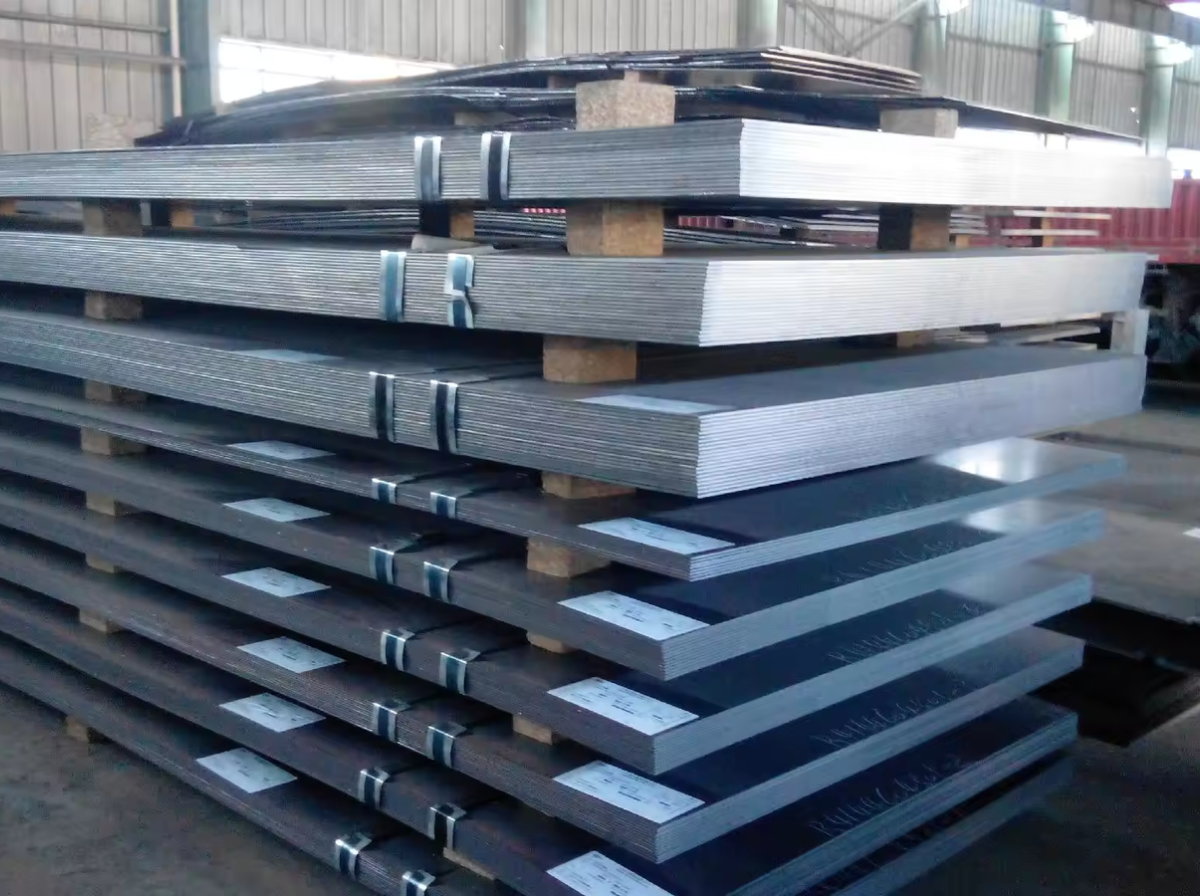
HIC plate selection for sour service requires specifying NACE-compliant, hydrogen-resistant carbon steel to prevent unpredictable process cracking. HIC plates are built specifically to resist that risk, using controlled steel chemistry and cleanliness to hold up where standard plates would eventually crack from the inside out, often without any visible external warning sign. Understanding how to choose HIC plates for sour service applications means working through steel quality, composition, thickness, testing, and applicable standards together, since getting any one of these wrong undermines the rest of the specification.
What Is a HIC Plate?
Hydrogen-Induced Cracking (HIC) happens when atomic hydrogen, generated by the corrosion reaction between hydrogen sulfide and steel, diffuses into the metal and collects at internal inclusions or voids beneath the surface. That trapped hydrogen builds pressure inside the steel until it forms cracks, often well before any external sign of damage shows up on inspection. Conventional carbon steel, with its typical inclusion content, is vulnerable to this process in sour service, which is why it often needs additional HIC resistance, achieved through cleaner steelmaking and controlled chemistry, before it’s suitable for prolonged hydrogen sulfide exposure.
Read more: High Impact Chromium Carbide (HIC) Plates: The Ultimate Guide
Key Factors for Choosing HIC Plates for Sour Service
1. HIC Resistance and Steel Quality
Low levels of harmful inclusions and tightly controlled steel chemistry are what actually determine HIC resistance. Cleaner steel, produced with fewer non-metallic inclusions acting as hydrogen traps, generally resists cracking far better than standard-quality plate under the same sour conditions.
2. Chemical Composition
Controlled carbon, sulfur, and phosphorus levels, along with other alloying elements, directly influence both weldability and sour-service performance. Lower sulfur content in particular, reduces the inclusions that trap hydrogen, while balanced alloying keeps the plate weldable without sacrificing that resistance.
3. Plate Thickness
Thickness should be selected according to pressure rating, structural requirements, and the specific service conditions the vessel or pipeline will face, not just rounded up to a convenient standard size. HIC performance needs to be verified at the actual thickness specified, since resistance can vary across a plate’s cross-section.
4. HIC Testing and Acceptance Criteria
HIC testing before material acceptance isn’t optional for genuine sour-service work. NACE TM0284 is the most commonly referenced testing practice, evaluating crack length ratio, crack thickness ratio, and crack sensitivity ratio to confirm the plate meets acceptance criteria before it ever reaches the fabrication shop.
5. Applicable Standards and Certifications
Material standards and project-specific specifications both need checking before an order goes out, since sour-service requirements can vary meaningfully between projects and even between clients on the same job. Mill test certificates and HIC test reports should accompany every shipment, giving traceable proof that the plate actually meets its specified resistance level rather than just carrying the right grade stamp. At Metal Ore, we recommend confirming the project specification, HIC testing requirements, and certification requirements before placing an order so the supplied plate can be traced to the required material and testing documentation.
HIC Plate Applications in Sour Service
Oil and gas processing facilities rely on HIC plate wherever hydrogen sulfide is present in the process stream, from separators through to downstream equipment. Refineries and petrochemical plants use it extensively in vessels and piping exposed to sour crude and sour gas throughout the process. Sour-service pipelines and pressure equipment depend on HIC resistance to avoid in-service cracking over years of continuous operation, and storage and processing vessels handling sour media need that same protection to maintain integrity across their full service life.
HIC Plate Selection Checklist
- Sour-service conditions and H₂S exposure level
- Required plate grade and thickness
- Chemical composition suited to sour service
- HIC test requirements and acceptance criteria
- Applicable standards and project specifications
- Weldability requirements for fabrication
- Inspection and certification documentation
Conclusion
The proper HIC plate selection should consider the sour service environment, steel chemistry, plate thickness, HIC test results, and applicable standards together, not in isolation. The choice of material should always be dictated by the specific sour-service conditions of the project and not by a generic concept of what “HIC resistant” entails. At Metal Ore, we supply HIC plates with the relevant test documentation and material certificates to support sour-service applications. Our team can help buyers review the required grade, thickness, testing requirements, and project specifications before finalising the material selection.