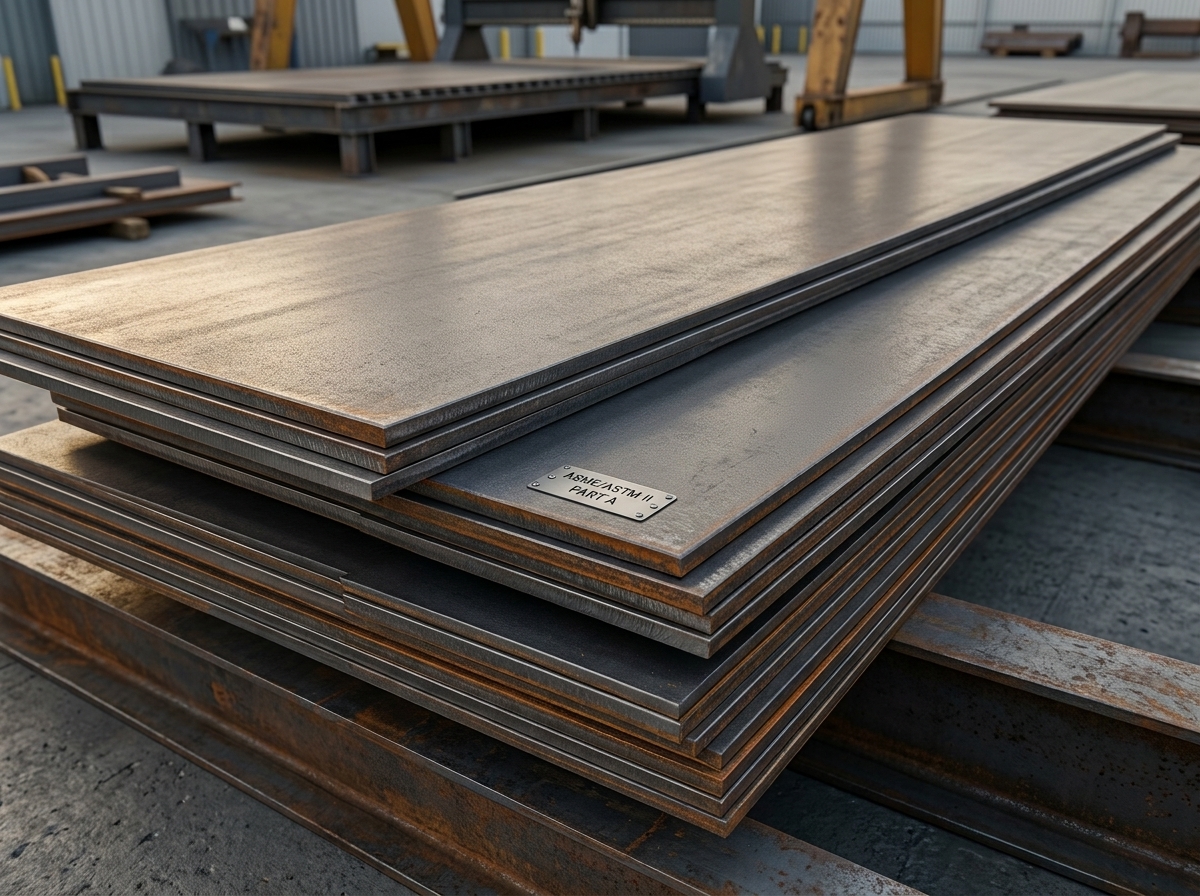
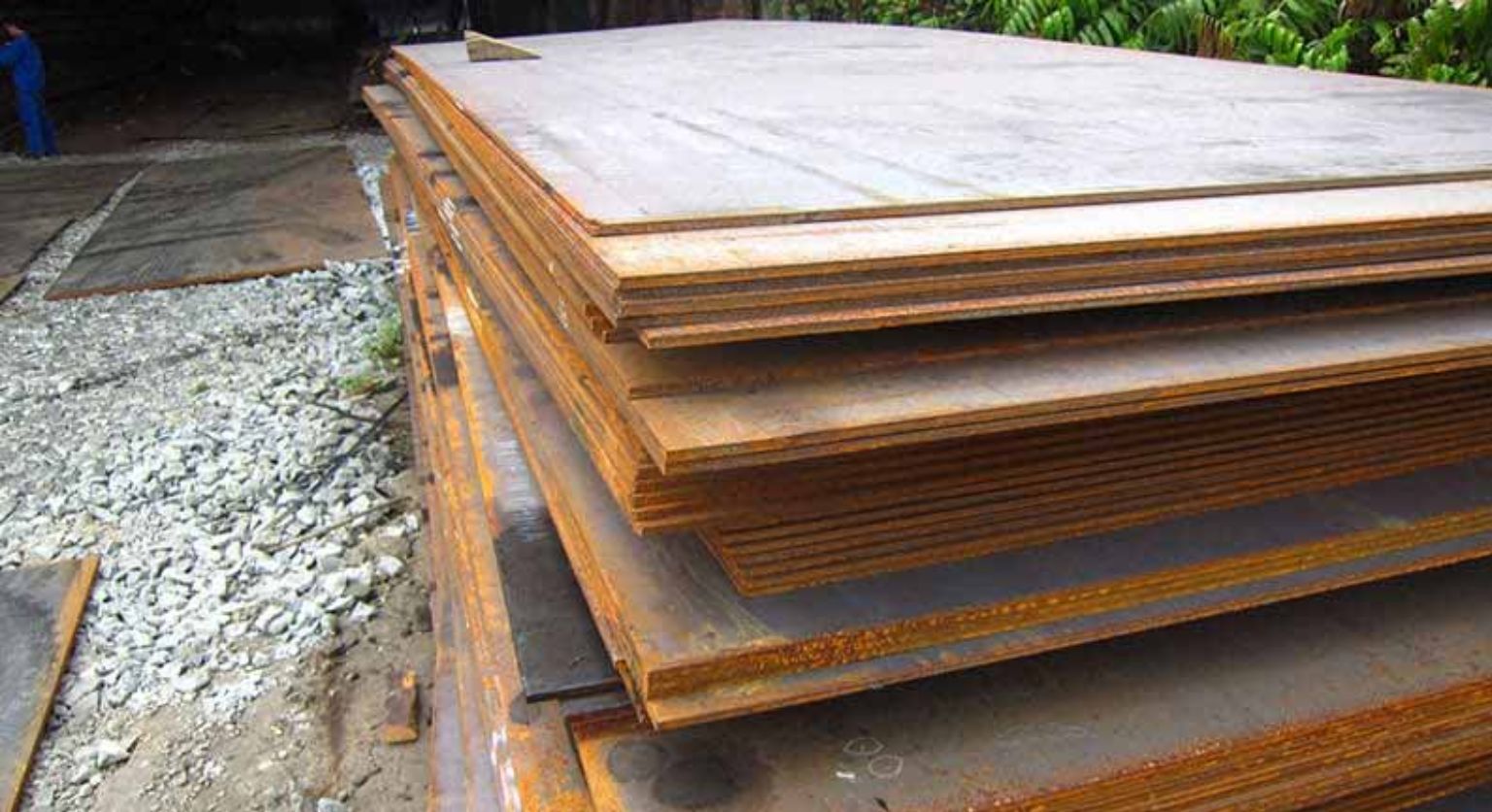
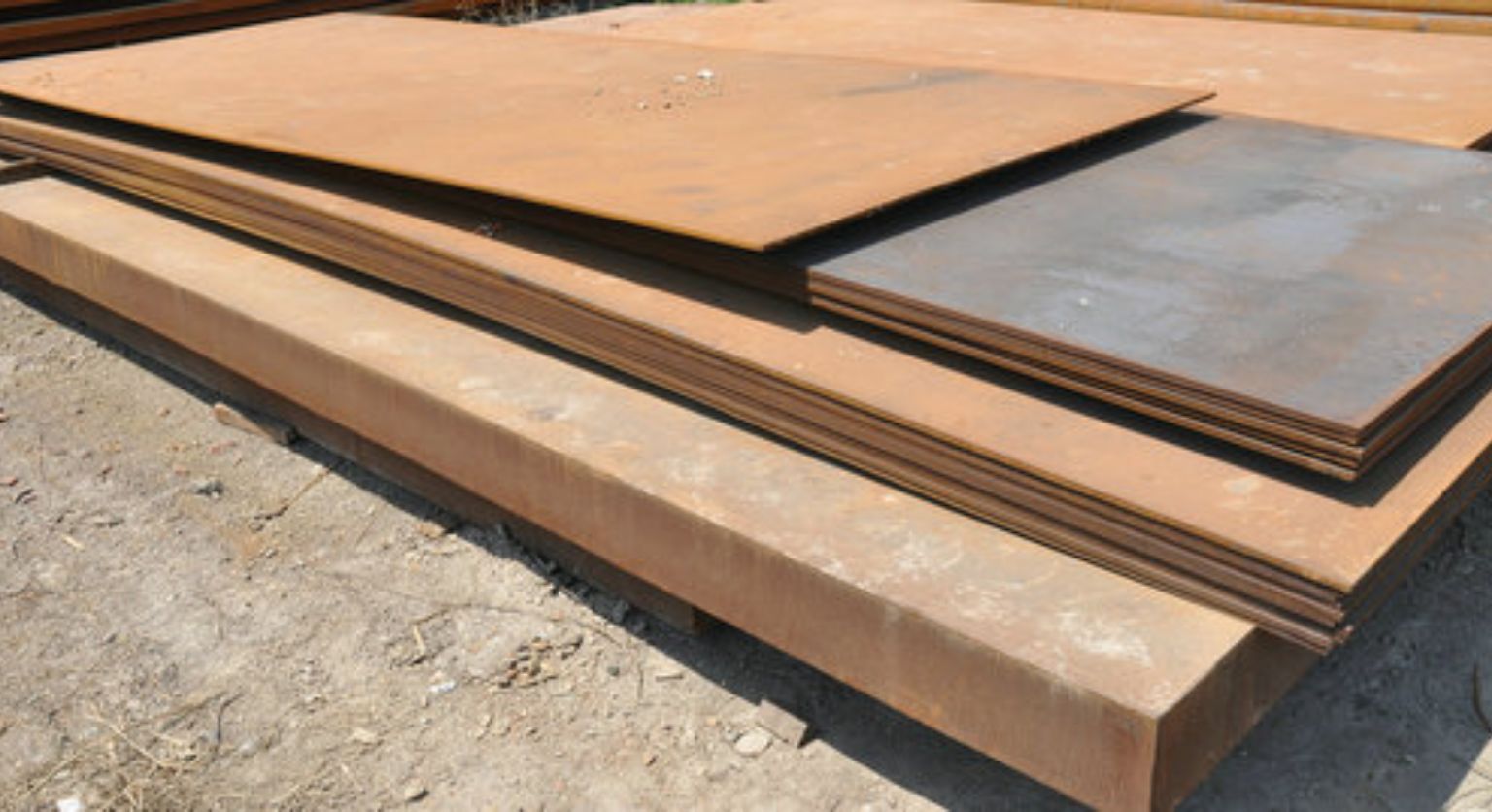
What Is S235 Steel Plate? Complete Guide to Specifications, Mechanical Properties, Applications & Benefits
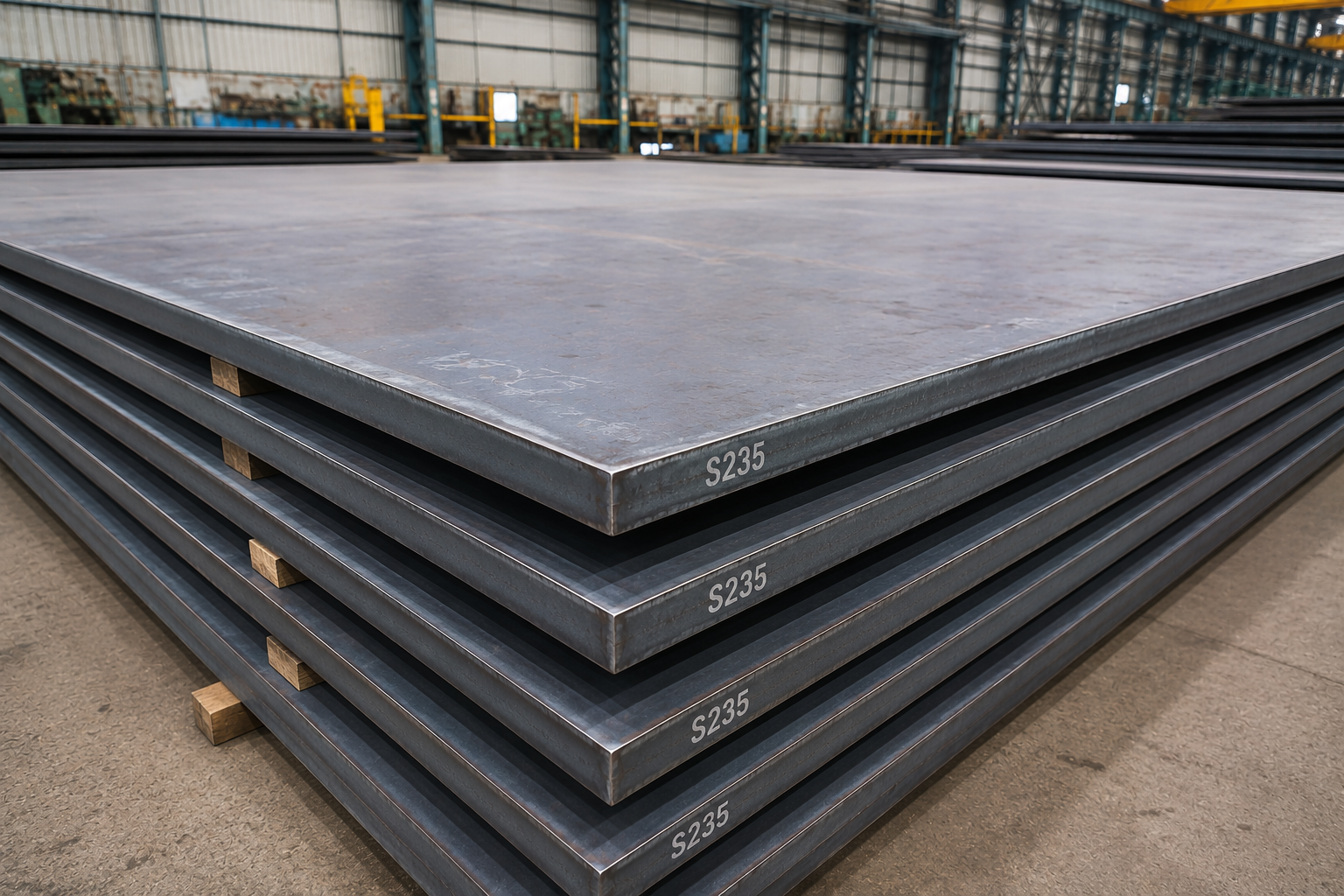
steel plate s235

S235 remains the default specification on structural drawings across fabrication shops, largely because it welds without preheating and costs less per ton than higher-strength alternatives. Engineers apply this grade to support beams, machinery frames, and storage vessels where 235 MPa yield strength covers the load. This guide sets out the specifications, mechanical properties, applications, and … Read more
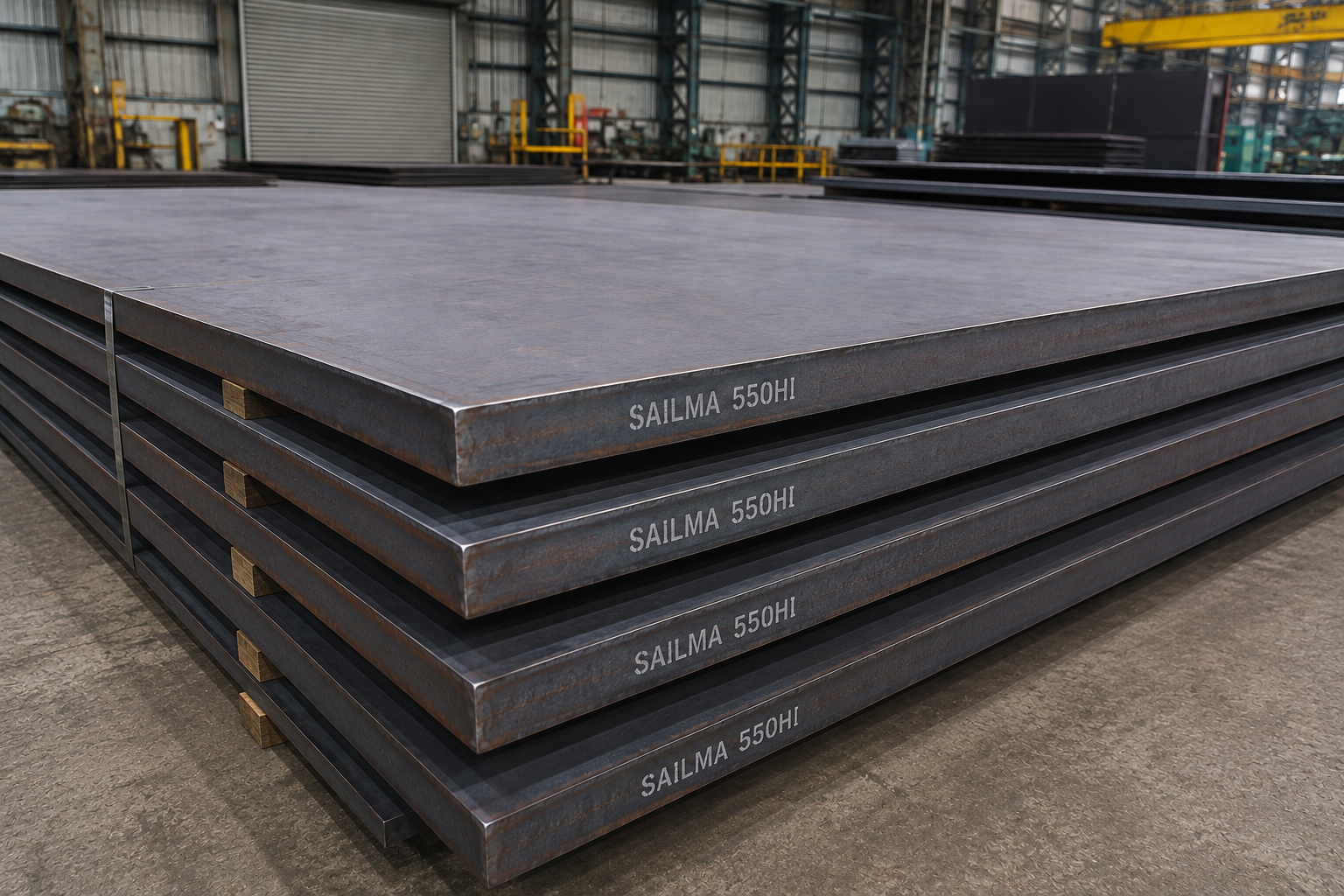
SAILMA 550HI Plate Inspection & Testing: Quality Standards Every Buyer Should Know

sailma 550hi plates

SAILMA 550HI Plates have a minimum yield strength of 550 MPa. They are used in cranes, dumper bodies and structural frames, mostly because they cut weight without compromising load capacity. Unnoticed defects in high-strength plates can lead to costly repairs if they are not identified early. Inspection and testing check the mechanical properties, chemical composition, … Read more

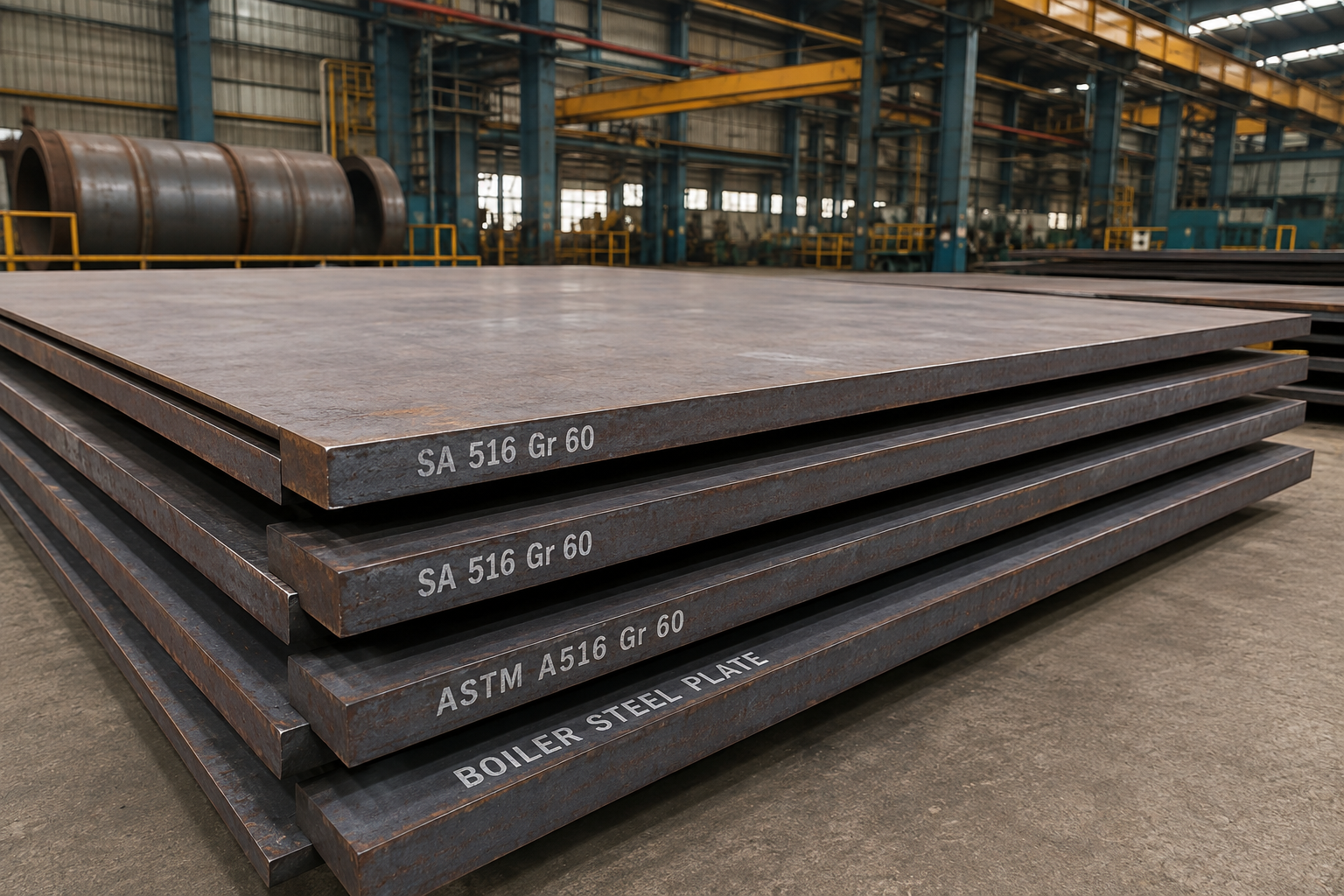
How to Choose the Right SA 516 Grade 60 Boiler Steel Plates for High-Pressure Applications

sa 516 grade 60 boiler steel plates

Introduction SA 516 Grade 60 Boiler Steel Plates rank among the most widely used carbon steel plates for pressure vessels and boilers, and selecting the right plate isn’t just a formality. Safety, durability, and long-term performance in high-pressure environments all depend on this specification. In high-pressure environments, all trace back to this one specification choice. … Read more

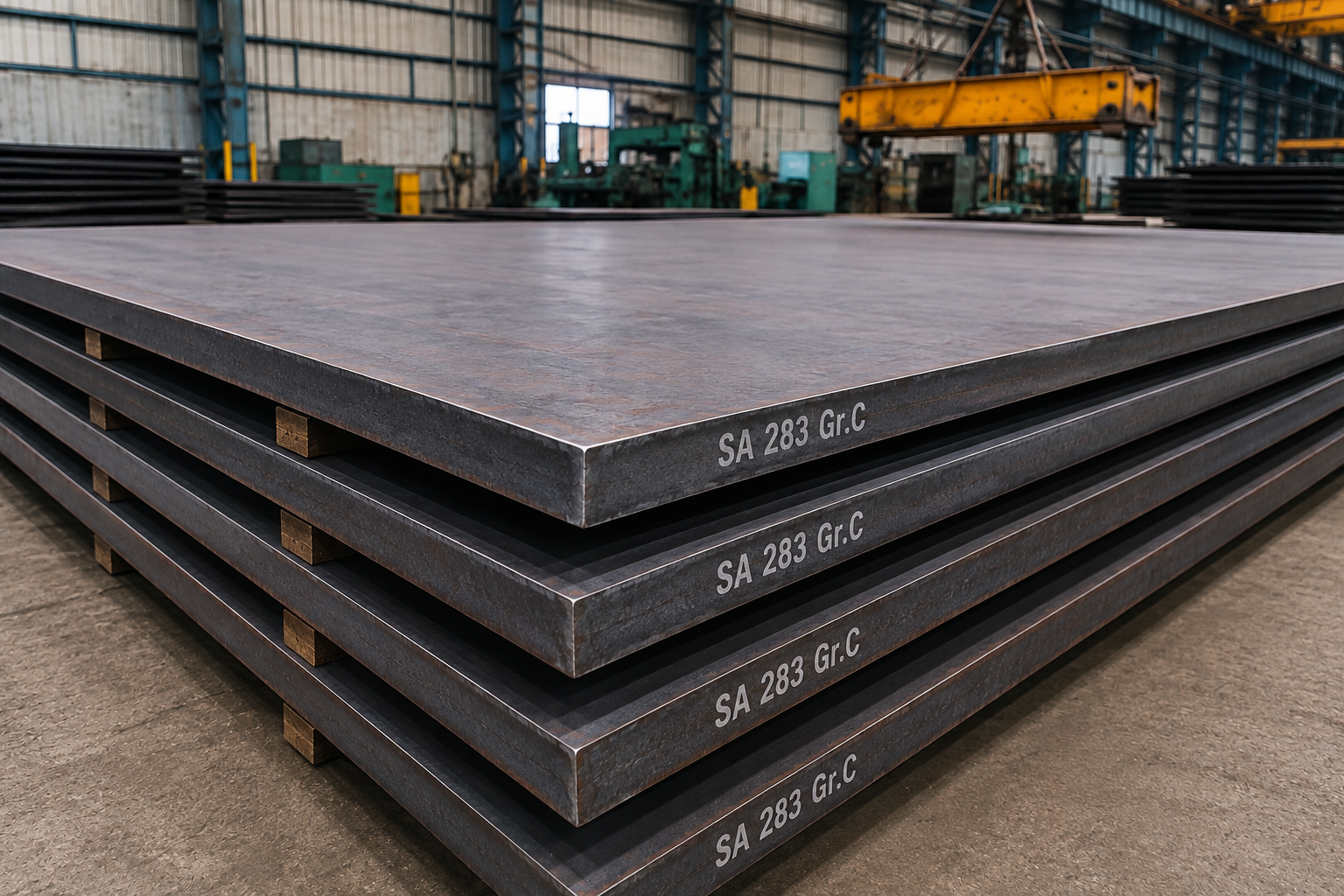
SA 283 Gr.C Plates vs SA 285 Gr.C Plates: Key Differences, Properties & How to Choose the Right Grade

sa 283 gr.c plates

SA 283 Gr.C Plates and SA 285 Gr.C Plates rank among the most specified carbon steel plates in industrial fabrication, yet their similar chemistry masks distinct design intents. One grade targets general structural work; the other targets pressure-retaining equipment. Confusing the two during procurement can compromise weld integrity, code compliance, and long-term service life. This … Read more

Choosing the Right Thickness of ASTM A36 Carbon Steel Plates for Industrial Application

Choosing the Right Thickness of ASTM A36 Carbon Steel Plates for Industrial Application

Steel grade selection is only half the decision. Plate thickness determines whether a finished structure meets load requirements, survives its service environment, and comes in on budget. For buyers sourcing carbon steel plates for structural and fabrication work, the carbon steel plate ASTM A36 grade anchors most thickness discussions. The grade earns that position. ASTM … Read more

How 400 BHN Wear Plates Improve Equipment Service Life

How 400 BHN Wear Plates Improve Equipment Service Life

Abrasive industrial environments wear down standard steel fast, and that wear translates directly into downtime and replacement cost. A 400 BHN wear plate carries a Brinell hardness rating of roughly 400, measured by how much resistance the surface offers against a standardized indentation test. That hardness is what lets the plate resist sliding abrasion, impact … Read more

Difference Between Alloy Steel Plates and Carbon Steel Plates

Difference Between Alloy Steel Plates and Carbon Steel Plates

Steel plates support nearly every industrial sector. Walk through a refinery, a power plant, or a bridge construction site, and you encounter them in structural frames, pressure vessels, boilers, and heavy machinery. Picking the wrong plate material risks structural failure, accelerated corrosion, and costly shutdowns. Two categories are dominating the procurement decisions: alloy steel plates … Read more

Why SA 387 GR 12 CL 2 Plates Are Preferred for Pressure Equipment Manufacturing

Why SA 387 GR 12 CL 2 Plates Are Preferred for Pressure Equipment Manufacturing

Pressure equipment fails when the steel beneath it cannot hold. Boilers crack, reactor vessels fatigue ahead of schedule, and heat exchangers corrode from the inside out when fabricators choose plates that cannot handle sustained thermal and mechanical stress. SA 387 GR 12 CL 2 plates solve this directly. Built from a chromium-molybdenum alloy with chromium … Read more

Benefits of Using High-Strength Sailma Plates in Construction

Sailma Steel Plates

Modern construction puts steel through tough operating conditions. Longer bridge spans, taller industrial structures, and heavier dynamic loads have pushed engineers away from conventional mild steel toward materials that deliver more strength per kilogram. Sailma plates answer that demand directly. Classified as high-strength low-alloy structural steel, these heavy duty construction steel plates carry higher tensile … Read more

How to Select the Right Wear Resistant Plate for Industrial Applications

Wear Resistant Plate

Equipment failure in abrasive environments builds up over weeks of undetected surface loss until a liner cracks, throughput drops, and production halts. Choosing the right heavy duty wear resistant plates at the specification stage prevents that sequence. Wear resistant plates are not interchangeable, and grade, hardness, and thickness must match actual site conditions. What Are … Read more